Berlin Conference on Sudan Declares: No Military Solution, Peace the Only Path to a Democratic State

In a powerful message from Berlin, the Sudan International Contact Group warned that Sudan’s devastating war cannot be won on the battlefield, declaring that only an inclusive political settlement can end the bloodshed, restore national unity, and open the road toward peace, civilian rule, and a democratic future.
Follow-up Reports – Blue News
The Sudan International Contact Group concluded a high-level peace conference in Berlin with a strong and unified call for an immediate political solution to Sudan’s escalating conflict, stressing that no military victory can resolve a war that has already pushed the country into one of the world’s gravest humanitarian catastrophes.
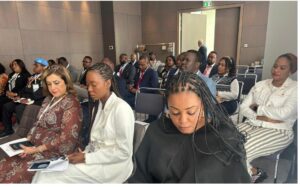
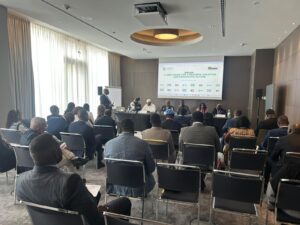
Held under the theme “Sudan: New Vision for a Peaceful Solution and a Democratic Future,” the conference brought together a broad coalition of international policymakers, African officials, research institutions, conflict-resolution experts, Sudanese civilian leaders, political actors, and representatives of civil society.
Participants warned that Sudan, now entering the fourth year of war, is facing unprecedented displacement, widespread destruction of infrastructure, severe humanitarian collapse, and grave violations of international humanitarian law and human rights.

The final communiqué stated unequivocally that the conflict cannot be settled through military or security means, emphasizing that a negotiated political agreement among Sudanese parties remains the only credible path to ending the war and rebuilding the state.
Delegates called for a comprehensive settlement that addresses the root causes of Sudan’s repeated crises, breaks the cycle of violence, and establishes the foundations of a democratic, civilian-led state based on justice, inclusion, and long-term stability.
The conference also pointed to the QUAD Mechanism statement as a viable starting point for launching an inclusive political process capable of addressing urgent humanitarian and security concerns while paving the way for a broader national consensus.
Participants voiced serious alarm over the rapid rise of hate speech, racial division, and deepening societal polarization caused by the war, warning that these trends threaten Sudan’s social fabric and future unity. They urged all Sudanese actors to engage in constructive dialogue, reject division, and preserve the country’s territorial and social cohesion.
The communiqué welcomed ongoing diplomatic efforts to mobilize international support for Sudan and praised humanitarian organizations operating under extreme danger to deliver lifesaving aid to affected civilians.
The Berlin gathering further warned that the continuation of Sudan’s war risks fueling wider regional instability and international alignments, particularly amid growing geopolitical tensions, making a swift resolution of the crisis an urgent matter of global peace and security.
In one of its strongest passages, the conference condemned the systematic targeting of cities, villages, displacement camps, hospitals, markets, and civilian infrastructure, including drone attacks that have killed women, children, the elderly, and the sick. Participants described such actions as blatant violations of international humanitarian law and demanded that all parties immediately cease attacks on civilians.
The Berlin conference concluded with a clear political message: Sudan’s future will not be shaped by war, but by peace, dialogue, and democratic civilian governance